New Jersey: Spain’s World Cup final preparations overshadowed by travel denial

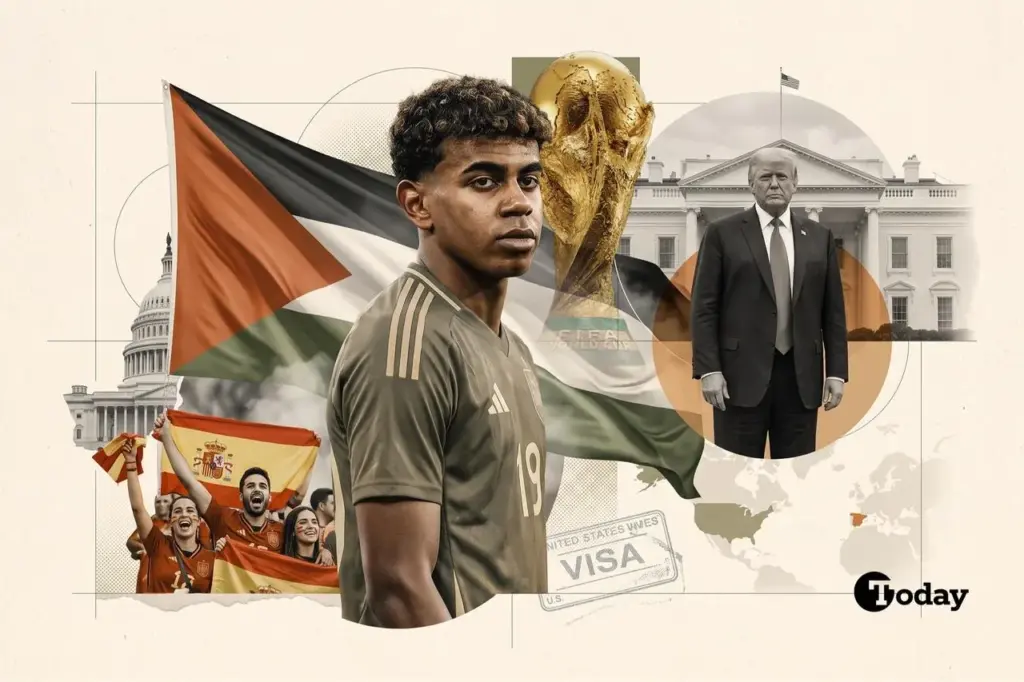
Preparations for the World Cup final between Spain and Argentina have been impacted by an ongoing dispute between Spain and the United States. This political tension has manifested in various ways, including a travel authorization denial for a former Spanish footballer.
Joan Capdevila, a member of Spain‘s 2010 FIFA World Cup-winning squad, was denied entry into the United States just days before Spain‘s final match against Argentina. The match is scheduled to take place at the New York-New Jersey Stadium. Capdevila had planned to attend the final with his children and former teammates.
Capdevila stated that his U.S. travel authorization was rejected due to a friendly match he played in Iran a decade ago, in 2016. During this match, a team of La Liga veterans competed against an Iranian all-star team in Tehran. Under U.S. Visa Waiver Program regulations, individuals who have visited certain countries may not be eligible for an ESTA travel authorization and might need to apply for a standard visa instead.
The former defender publicly sought assistance after learning of the denial, which could prevent him from attending what is described as Spain’s most significant match in over a decade. His situation has become a prominent topic of discussion surrounding the tournament.
Political tensions impact sporting events
The denial of Capdevila‘s travel authorization is part of a broader political disagreement between Washington and Madrid. This dispute, which has been escalating for months, involves issues such as war, defense spending, and trade. The conflict has repeatedly affected football-related matters.
The disagreement reportedly began in March when Spain declined to allow American aircraft to use its bases for operations related to a conflict against Iran. Prime Minister Pedro Sanchez deemed the strikes unjustified, with Spanish officials stating that Spain would not host any operation unless authorized by the U.N. charter.
Following this, President Trump reportedly ordered Treasury Secretary Scott Bessent to sever trade ties with Spain. Spain also became the sole NATO member to reject the alliance’s proposed defense-spending target of 5% of GDP, which Sanchez called unreasonable. Trump subsequently referred to Spain as a “terrible partner” and, at the NATO summit in Ankara on July 8, ordered an immediate halt to all U.S. trade with Spain.
However, EU trade policy is managed through Brussels, not through bilateral orders from Washington, a point highlighted by the European Commission. While the economic implications are considered modest, with Spain‘s exposure to American retaliation reportedly less than many other EU nations, the political ramifications have extended beyond trade ministries.
One of the first instances where this political tension impacted football was in March, when a Finalissima match between Spain and Argentina in Doha was canceled. This official cup match between the reigning European and South American champions was called off by UEFA and Qatari organizers, citing regional instability, airspace disruptions, and travel restrictions related to the conflict in Iran. Efforts to reschedule the match after the World Cup were unsuccessful due to disagreements on dates and a neutral location.
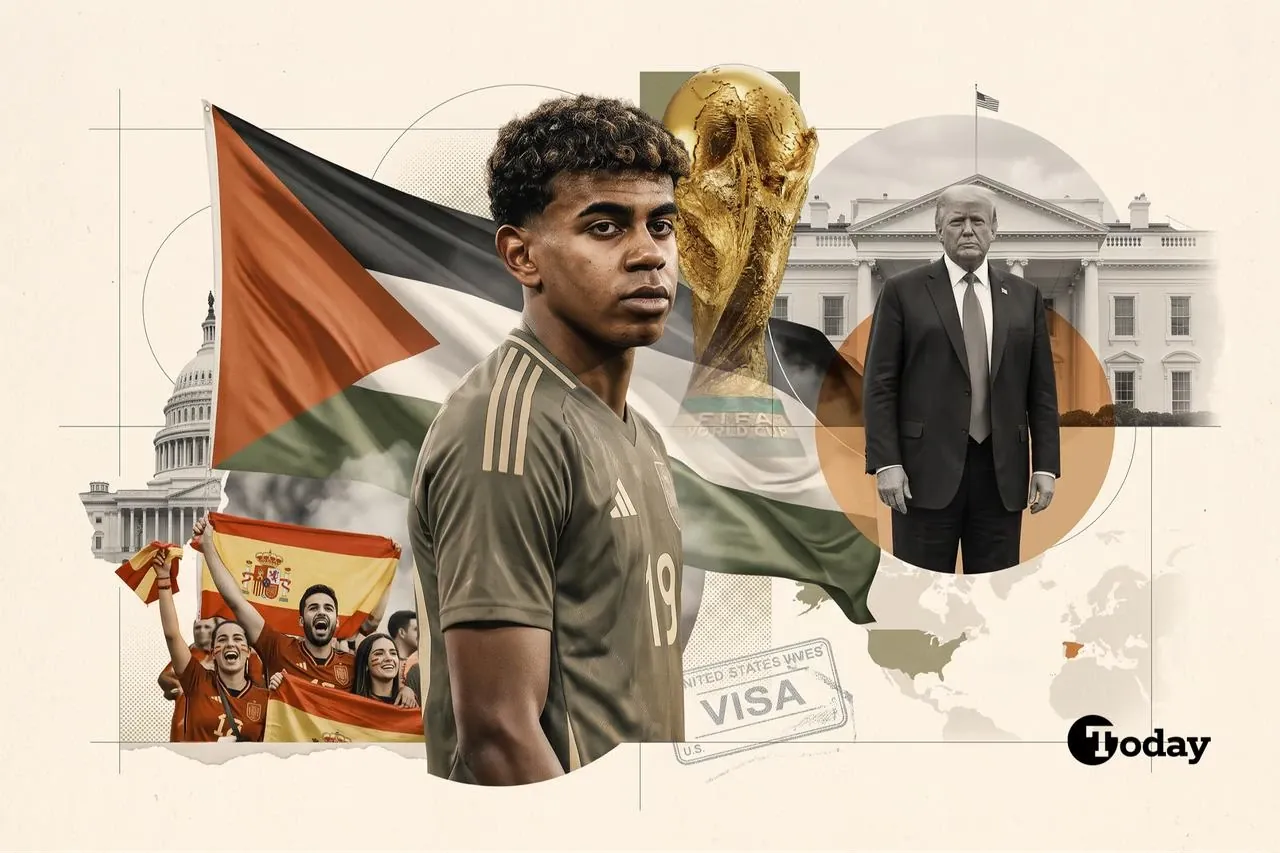
Yamal’s actions and broader implications
Another notable incident occurred in May when 18-year-old Lamine Yamal displayed a Palestinian flag from Barcelona‘s open-top bus during the club’s title parade. This act, witnessed by a large crowd, drew varied reactions. Barcelona coach Hansi Flick acknowledged it as Yamal‘s decision, while Israel‘s defense minister accused him of inciting hatred. Sanchez defended Yamal, and a mural of Yamal with the flag later appeared in a Gaza refugee camp.
Spain‘s government had previously recognized a Palestinian state in May 2024, a decision that contributed to Spain being labeled “unfriendly” by Trump before the disputes over Iran or NATO spending emerged. Spain has also prohibited ships and aircraft carrying weapons to Israel from using its ports and airspace. Yamal‘s actions were seen as consistent with his country’s stance on Gaza.
Despite these off-field controversies, the focus remains on the Spain versus Argentina final, with Spain aiming for another FIFA World Cup title against the defending champions. The outcome of the match itself is not expected to be influenced by Capdevila‘s travel issues or the broader political feud. However, these events have already left a mark on the tournament, affecting individuals and even leading to the cancellation of an official match.
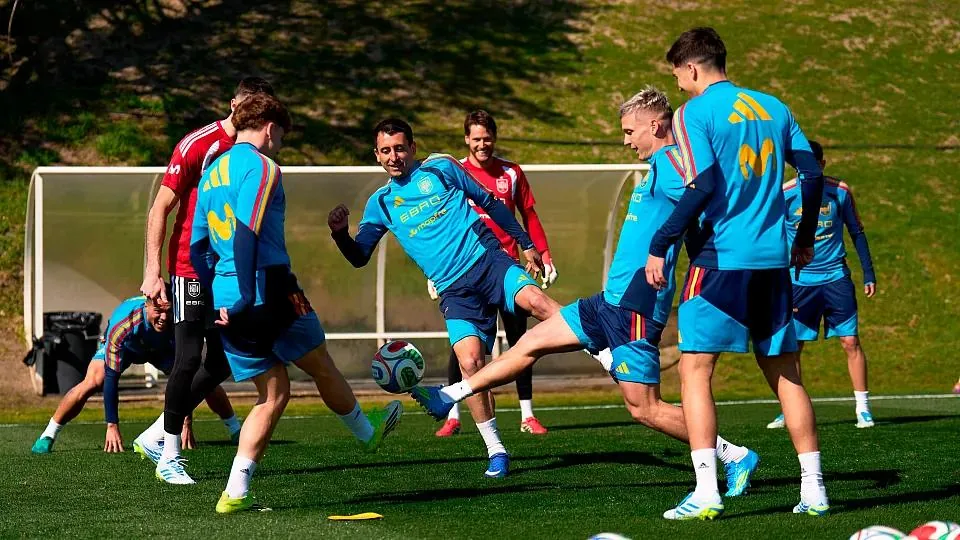
The final on Sunday marks only the second time Spain and Argentina have met at a World Cup, with their first encounter being a group match in 1966.
Read Also
Source: turkiyetoday.com

