Spain and Argentina managers share unique bond ahead of World Cup final

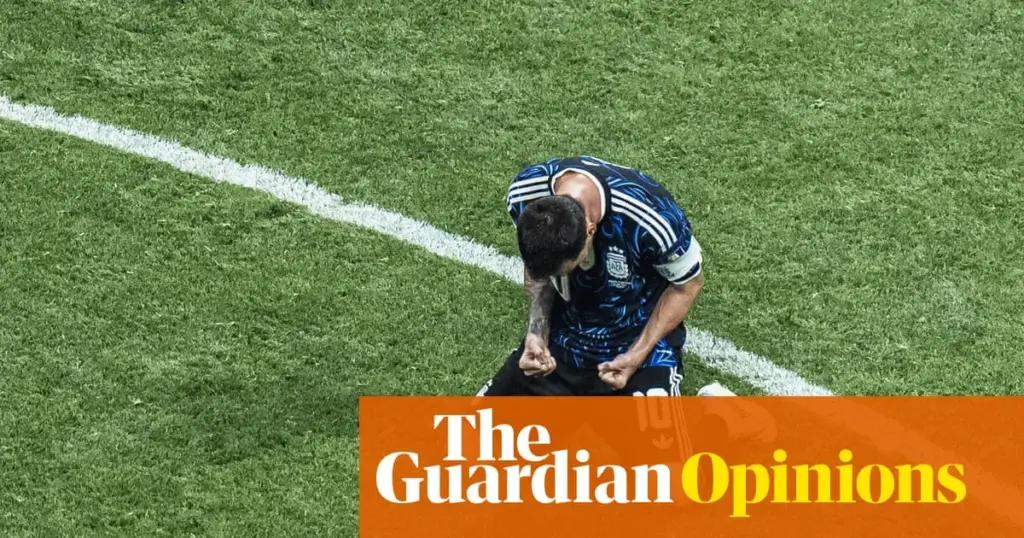
The upcoming World Cup final will feature a unique dynamic between the two national team coaches, Luis de la Fuente of Spain and Lionel Scaloni of Argentina. Their connection traces back to 2017 when Scaloni, then in a post-playing transition, enrolled in a coaching course at the Spanish federation. De la Fuente was one of his instructors, teaching the technique module while also managing Spain‘s Under-19s.
Scaloni excelled in the course, with De la Fuente providing significant assistance to him and his classmates. This shared experience forged a lasting bond between the two men. Both coaches have since taken different paths to their current roles, with De la Fuente emerging from a structured system and Scaloni from the distinct dressing-room culture of Argentine football. Despite their differing backgrounds, they share a common thread: neither had managed a top-flight club before taking on their national team responsibilities.
Coaching Philosophies and Paths to the Final
De la Fuente’s coaching journey began after his playing career ended in 1994. He spent 15 years in various roles, including managing in lower Spanish leagues and youth positions. After being dismissed from Deportivo Alaves in 2011, he was out of football for 18 months. His return to the sport came through a newspaper advertisement for a youth coach position with the Spanish federation. A recommendation from former Spain manager Inaki Saez secured him a three-month contract to lead Spain‘s Under-19s to the European Championship in Lithuania.
Despite a semi-final loss to France, De la Fuente’s performance earned him a longer contract. He later guided a team including Rodri, Unai Simon, and Mikel Merino to a victory in the subsequent Under-19s Euros. He became the national team boss in 2022, having coached many of the current squad members since their adolescence through various youth levels, accumulating titles along the way. His method emphasizes respect for rivals, process, patience, and calmness, building a culture rooted in sacrifice, humility, and collective responsibility.
In contrast, Scaloni’s coaching education was shaped more by the unwritten rules and hierarchies of Argentine dressing rooms. He grew up in Pujato, a small town near Rosario, and was part of Argentina‘s Under-20 World Cup triumph in 1997 alongside future coaching staff members Walter Samuel and Pablo Aimar. After a playing career that included over 200 appearances for Deportivo La Coruna and a loan spell at West Ham United, Scaloni found retirement challenging.
He began coaching a group of 14-year-olds at a small club in Mallorca, finding renewed purpose. His coaching career progressed as an assistant to Jorge Sampaoli at Sevilla in 2016, and then with Argentina a year later. Following Sampaoli’s dismissal in 2018, Scaloni was appointed his successor, despite initial criticism regarding his lack of experience. His approach focuses less on tactical lectures and more on shared stories and fostering a strong team spirit, exemplified by team barbecues and karaoke nights.
Tactical Approaches and Team Dynamics
Both coaches have cultivated teams where collective trust is paramount. Fernando Hierro, former Spanish Football Federation director, described De la Fuente as an “expert of the raw material there is in Spanish football who has built a family where they enjoy themselves.” This sentiment could equally apply to Scaloni’s Argentina. Both managers prioritize continuity, with De la Fuente maintaining faith in players he coached from their youth, and Scaloni retaining Lionel Messi‘s supporting cast even after a loss to Brazil in the 2019 Copa América semi-final, which paid off with Messi‘s first national team title within two years.
Spain‘s style is characterized by patience and ball retention, a philosophy reinvigorated by De la Fuente. They have averaged 64% possession in the tournament, a stark contrast to England‘s 12% possession in a 37-minute period against Argentina. This emphasis on ball retention highlights the value of not losing possession. De la Fuente’s deep understanding of his players, many of whom he has known since their youth, contributes to this cohesive system.
Argentina, under Scaloni, has consciously moved towards a more traditional Argentine game, focusing on short passing rather than physicality. Analyst Matías Manna highlights Leandro Paredes as a key player, noting his ability to win the ball and connect with inside players and the No. 10. Manna emphasizes the importance of integrated relationships between players over rigid formations, fostering a strong sense of togetherness and a common purpose, particularly in supporting Lionel Messi‘s quest for a second World Cup.
The final is anticipated to be a clash between Spain‘s process-driven approach and Argentina‘s emotionally charged style. Argentina is expected to deploy a 4-5-1 formation, with Messi as a loose center-forward and Julián Alvárez on the left. A key tactical decision for Argentina will be whether to use Giuliano Simeone as an irritant or deploy Rodrigo De Paul to protect Messi. To disrupt Spain‘s rhythm, Alexis Mac Allister or Enzo Fernández may be tasked with man-marking Rodri, Spain‘s midfield orchestrator. The longer the match remains goalless, the more likely Argentina‘s passionate play and Messi‘s influence could decide the outcome.

Both coaches express similar sentiments about the meaning of national team success. De la Fuente speaks of the privilege of seeing his country’s people enjoy themselves, while Scaloni frequently mentions the fans in the stands and those at home. The final on Sunday will see the student and teacher reunite on the biggest stage.
Read Also
- Manchester United midfielder Kobbie Mainoo reportedly unimpressed by England coach Thomas Tuchel
- New York area to host star-studded World Cup final entertainment
- London: Kayinsola Ajayi equals national record again at Diamond League meet
- England secures third place at World Cup 2026 in 10-goal thriller
Source: bbc.com

