Deschamps’ era with France concludes after World Cup semi-final exit

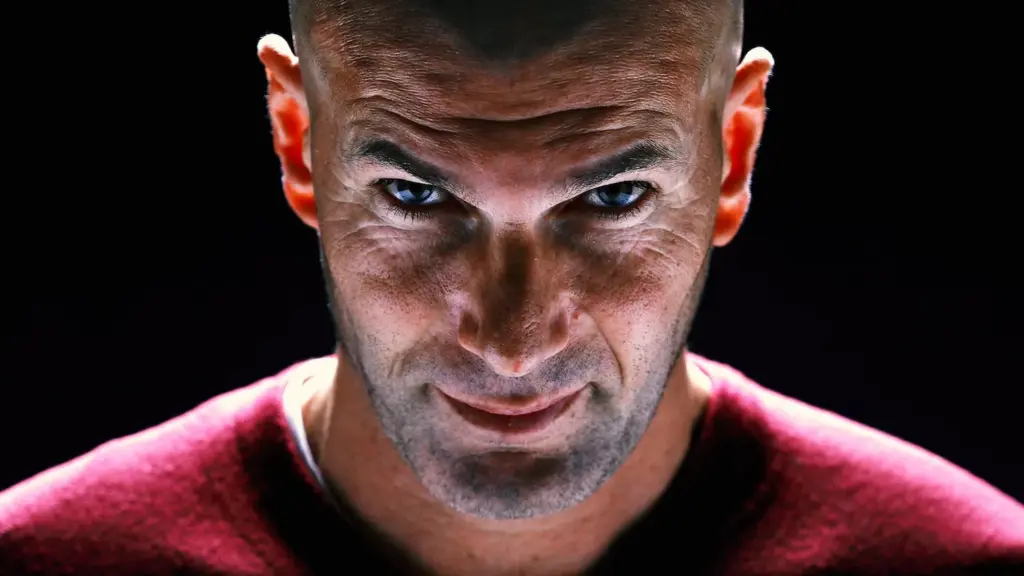
Deschamps reflects on his tenure
Didier Deschamps, the long-serving manager of France, is set to conclude his remarkable career with the national team following their exit from the World Cup semi-finals. His final match will be the third-place play-off on Saturday. Deschamps, who confirmed his departure in January 2025, expressed his pride in what the team achieved under his leadership.
Speaking after the semi-final defeat by Spain, Deschamps stated, “I am extremely happy. I am very proud of everything we’ve done to reach this stage and to win a World Cup – to take the French team to the highest level.” He acknowledged that while he has experienced many happy moments as a player and manager, the semi-final loss was not one of them, but stressed the importance of accepting the outcome while remembering past successes.
Deschamps holds the record for the most World Cup games managed, surpassing Helmut Schon‘s previous mark. He has been at the helm since 2012, leading France for 14 years. During this period, he guided the team to a World Cup victory in 2018 and reached another final and semi-final. Additionally, France made it to a Euros final and a semi-final under his management.
Former France striker and pundit Olivier Giroud commented on Deschamps’ impact, noting, “There was extra motivation for all the players at this World Cup to give Didier the ending he wanted, and deserved.” Giroud, who won the 2018 World Cup under Deschamps, described the manager as being like a “second father” to some players, praising his confidence in them and his competitive mindset.
Tactical evolution and future leadership
Deschamps’ tenure saw a significant transformation in the French squad. Former France full-back Gael Clichy highlighted that Deschamps took a team that was “below par” and elevated it to the top. Deschamps replaced Laurent Blanc in 2012, inheriting a team that had faced early exits in previous tournaments. Under his guidance, France consistently maximised its talent pool, fostering a unified squad.
Over time, Deschamps, initially known for a more cautious approach, evolved his tactical strategy. While some critics suggested he was too pragmatic, this tournament saw France adopt a more fluid, attack-heavy style. This shift was partly attributed to the emergence of numerous elite attacking players, leading to a four-forward setup designed to overwhelm opponents.
The semi-final against Spain, however, presented a challenge to this approach. Despite their attacking prowess, France struggled to assert dominance in midfield. There was speculation about whether Deschamps would revert to a more midfield-heavy formation against stronger opponents, but the team largely maintained its attacking focus.
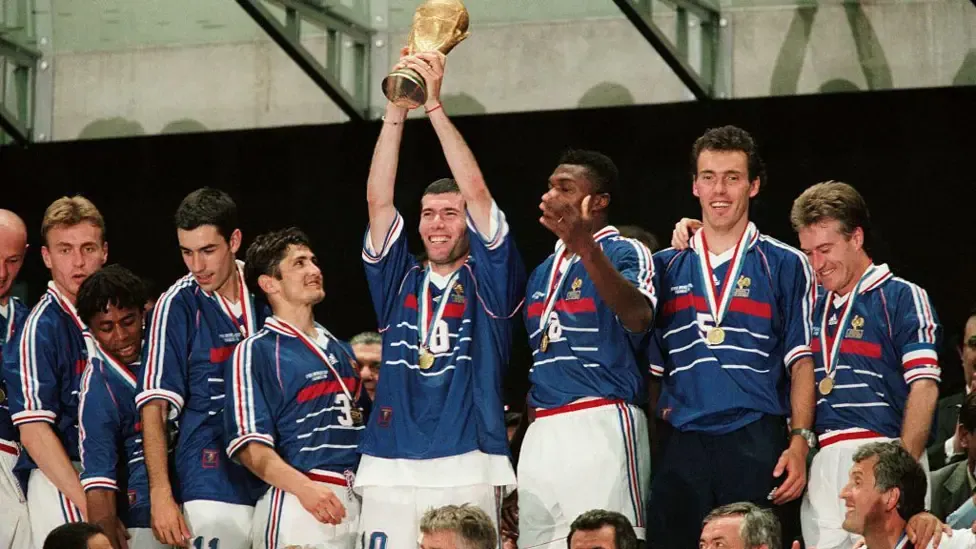
The favourite to succeed Deschamps is his former teammate, Zinedine Zidane. Reports from March indicated a verbal agreement for Zidane to take over after this summer’s tournament. Zidane, who won the 1998 World Cup alongside Deschamps, has a successful managerial record, including three Champions League trophies with Real Madrid. Clichy noted that the next manager will face a significant challenge following Deschamps’ legacy.
Zidane will inherit a team that has been described as being at its “highest tactical and technical point.” The current setup, featuring players like Kylian Mbappé, Ousmane Dembélé, Michael Olise, and Bradley Barcola or Doué, has created a formidable attacking unit. Mbappé and Dembélé, for instance, have created a notable number of chances for each other in the World Cup, surpassing previous French duos.
The transition marks a pivotal moment for French football, as Zidane will decide whether to continue with Deschamps’ successful 4-2-3-1 formation or implement his own structure. Deschamps’ final game will be against the losers of the England versus Argentina match in Miami on Saturday.
Read Also
Source: bbc.com

