English football agrees trial to address goalkeeper tactical timeouts

New Trial to Address Tactical Stoppages
English football has agreed to implement a trial designed to eliminate the use of tactical timeouts by goalkeepers. This measure has been approved by the International Football Association Board (Ifab) and will be adopted by the Football Association, Premier League, English Football League, National League, and Women’s Super League.
The trial, which was discussed with the leagues by Pro Ref, led by chief refereeing officer Howard Webb, aims to prevent goalkeepers from feigning injury to disrupt play or allow their team to regroup. The first match to feature this trial will be the Carabao Cup preliminary round tie between Tranmere and Rochdale.
Under the new rule, if a referee signals for a physio to treat a goalkeeper, the team’s coach will have 10 seconds to nominate an outfield player to leave the pitch for one minute after play restarts. This choice must be communicated to the fourth official. Should no player be selected within the 10-second window, the team captain must leave the field instead.
Addressing Concerns and Past Incidents
The tactic of goalkeepers seeking treatment to create a tactical timeout has become increasingly common and has generated controversy in recent seasons. Instances have been noted where goalkeepers appear to sit on the turf, signaling for medical attention, while other players convene with their coach for a team talk. Once instructions are delivered, the goalkeeper often resumes play.
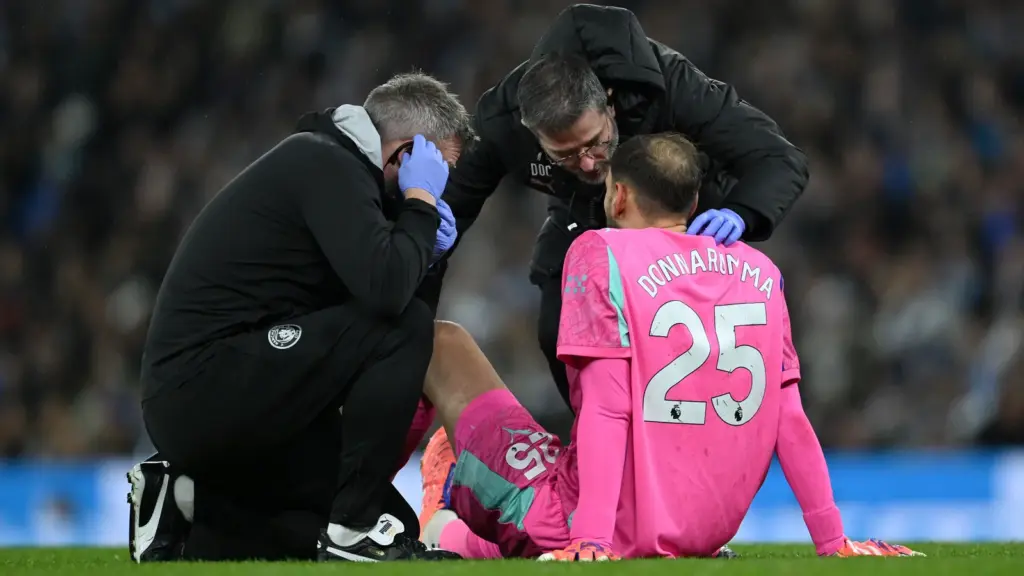
This approach has also been used to disrupt an opponent’s momentum when they are performing strongly. For example, in November, Leeds United boss Daniel Farke accused Manchester City goalkeeper Gianluigi Donnarumma of feigning injury to “bend the rules” and break up the game. Similarly, in December, Gary Neville suggested that Newcastle’s Aaron Ramsdale went to ground against Manchester United following an instruction from Lewis Hall, reportedly from manager Eddie Howe. In March, Brighton boss Fabian Hurzeler also criticised David Raya for what appeared to be a tactical timeout.
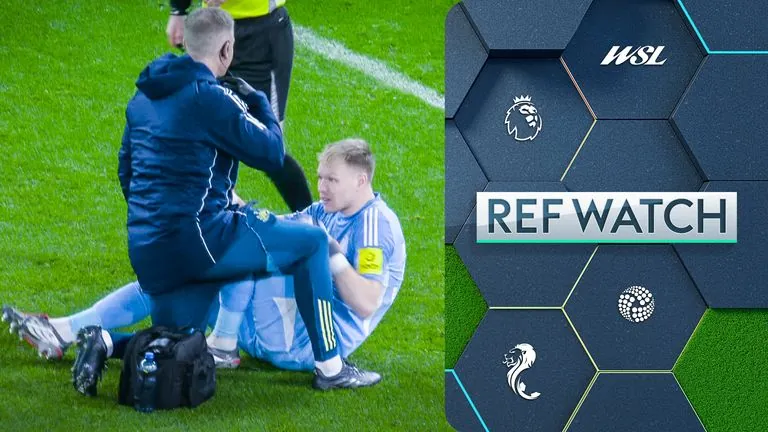
English football’s discussions concluded that simply preventing players from going to the technical area would not be enough to deter coaches from using goalkeepers to halt play. The chosen trial aligns with the existing rule for outfield players, who must leave the field for one minute if a physio attends to them.
The measure is intended as a proactive deterrent. Officials will not stop players from visiting the touchline during injury treatment, but the prospect of playing with 10 players for a minute is expected to act as a sufficient disincentive, particularly in the final minutes of games when teams might try to preserve a result.
Exemptions and Future Implications
There are specific situations where a teammate will not be required to leave the field. These include:
- When a goalkeeper states they do not need the physio and did not cause play to stop.
- If a goalkeeper and an outfield player have collided.
- If a goalkeeper is fouled and requires immediate treatment.
- If a goalkeeper is bleeding.
- In cases of serious injury (requiring substitution) or concussion.
If a goalkeeper is substituted, the substitution process will not be delayed. However, some concerns have been raised that the requirement for a player to leave the field for one minute could potentially lead to players attempting to continue playing with an injury.
The results of these trials will be evaluated by Ifab during its meetings throughout the seasons. This assessment could potentially lead to a permanent global law change from the 2027-28 season. The Australian A-League will also trial a variation of this rule, where the captain will always be the player to leave the field.
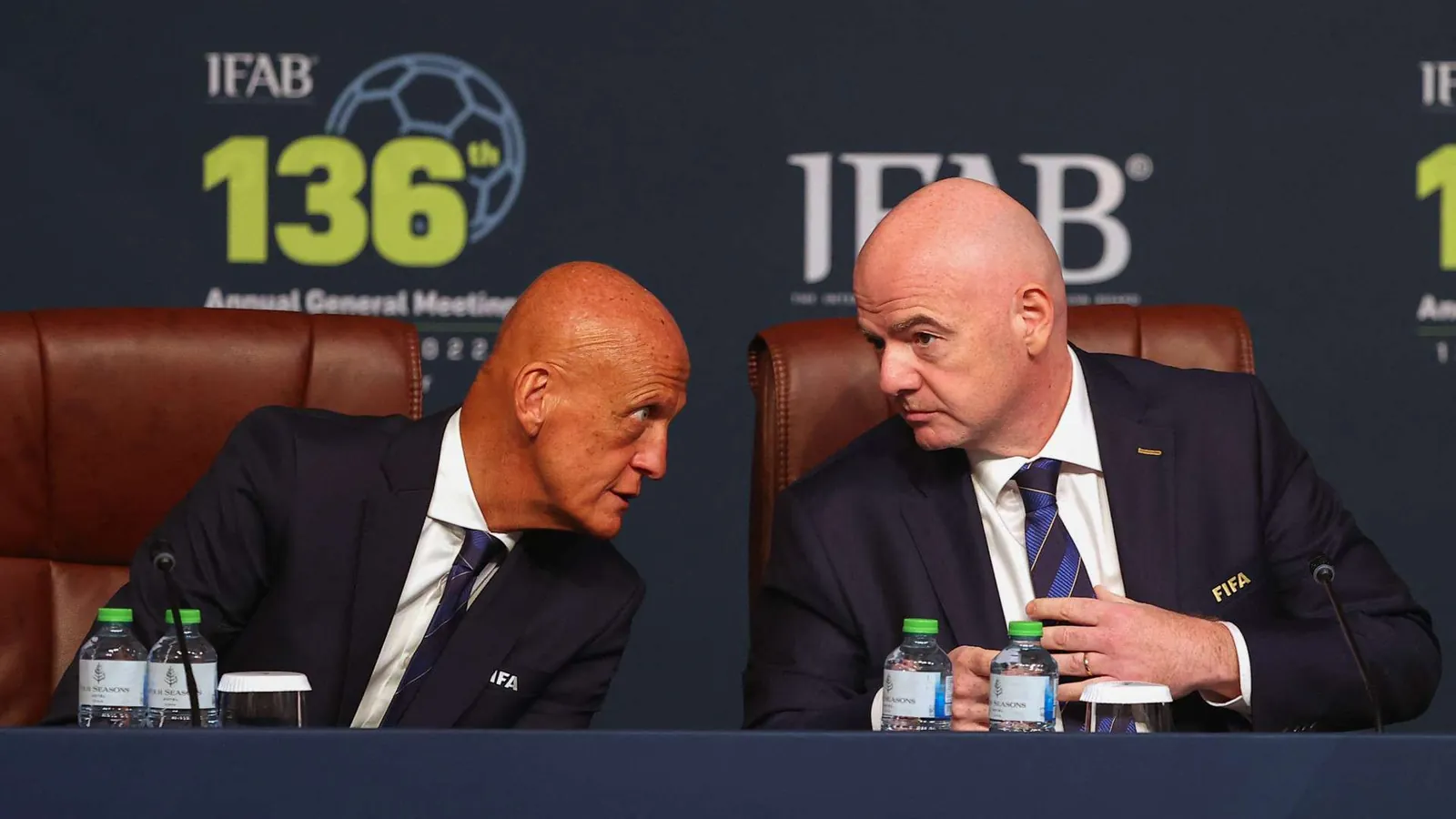
At Ifab’s AGM in February, head of referees Pierluigi Collina highlighted that finding a solution to stop goalkeeper tactical timeouts was a priority. Collina had previously instructed officials at the 2026 World Cup to prevent players from going to the technical area during all stoppages, although the effectiveness of this approach was debated due to hydration breaks offering alternative opportunities for team talks.
The trial aims to ensure that genuine injuries receive appropriate medical attention while removing any potential sporting advantage gained from stoppages.
Source: bbc.com

